August 17, 1661 was the historic date of “La Fête de Vaux.”
The 1983 Smithsonian Magazine article that detailed this infamous soirée was the stuff of legend in my childhood home, a story that not only includes the Musketeers but also the Man in the Iron Mask. So we were very excited to be visiting on August 6, 2022 — very close to the 361st anniversary of the day that sealed Nicolas Fouquet’s fate. For those who weren’t raised on the legend of Vaux-le-Vicomte, the pre-curser and inspiration for the Palace of Versailles, Nicolas Fouquet was the ‘Surintendant des finances’ (Finance Minister) for Louis XIV, and worked under Cardinal Mazarin, the Chief Minister and defacto ruler of France for nearly 20 years under Louis XIII and Louis XIV.
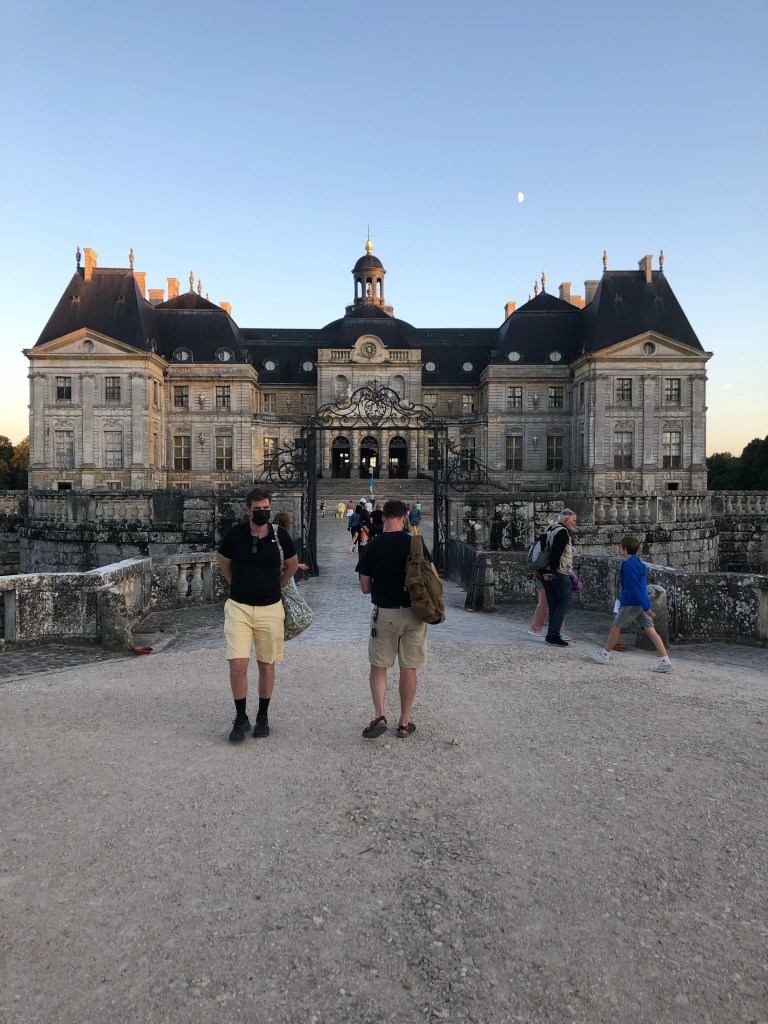
Fouquet purchased Vaux in 1641 when it was a small manor house. On the backs of 18,000 laborers, he spent the next 20 years transforming the property, bringing together for the first time the trio of visionaries — Louis Le Vau (architect), Charles Le Brun (painter), and André Le Notre (gardener) — who would later design Versailles for the same King who imprisoned Fouquet three weeks after La Fête de Vaux.
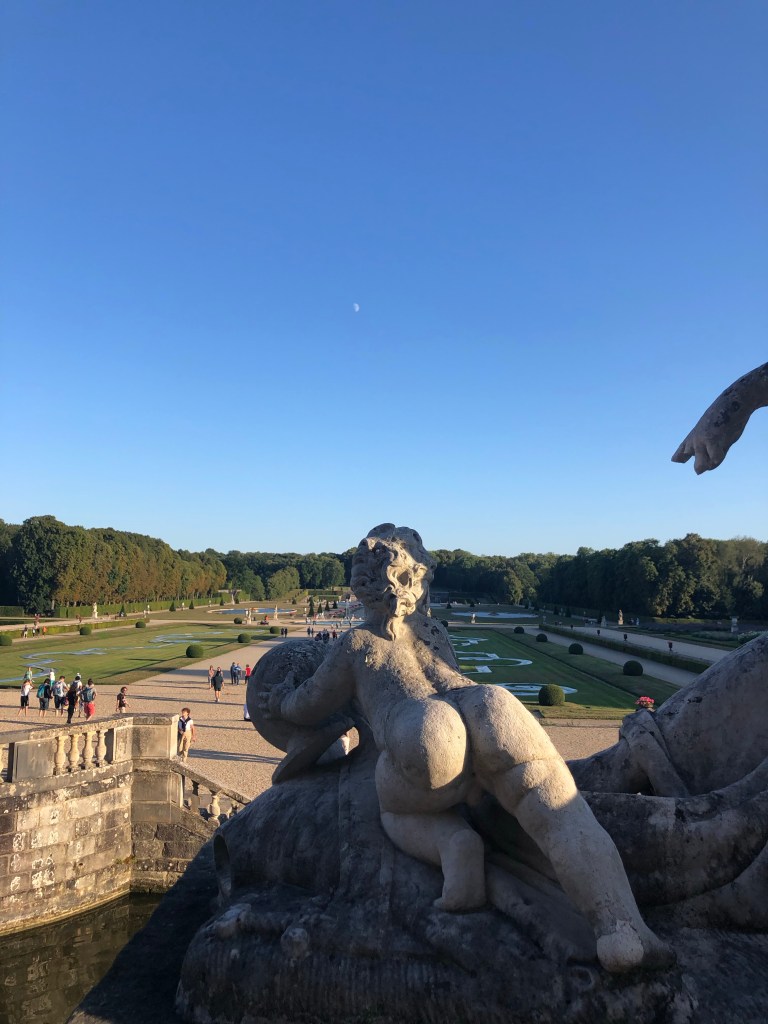
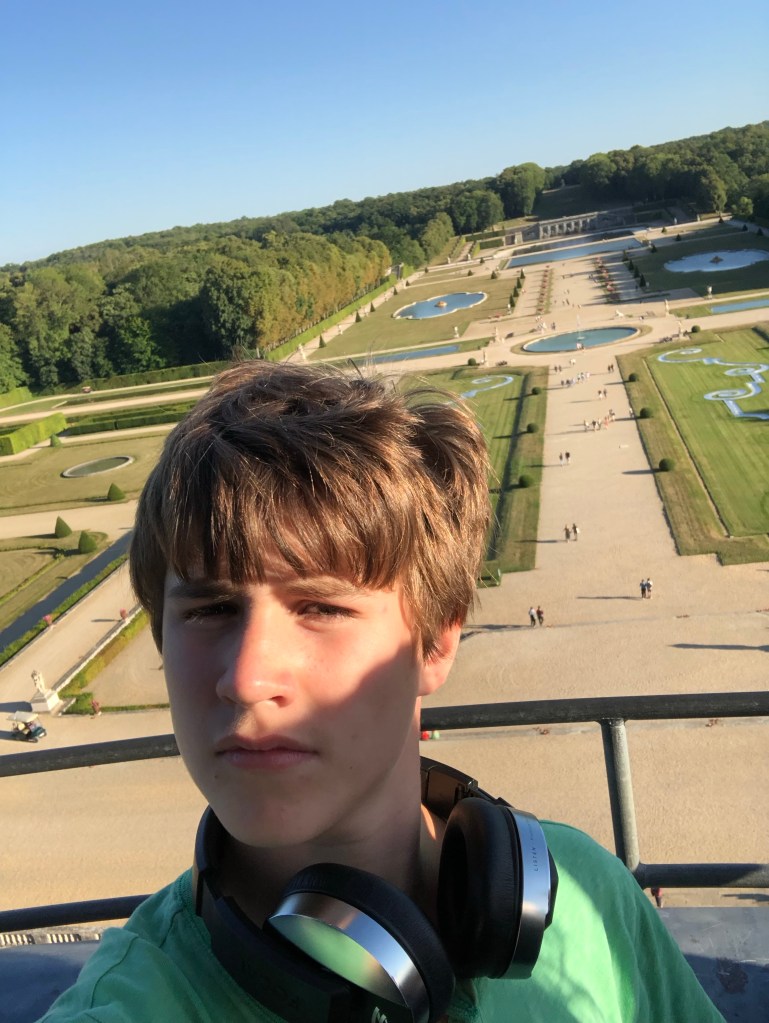
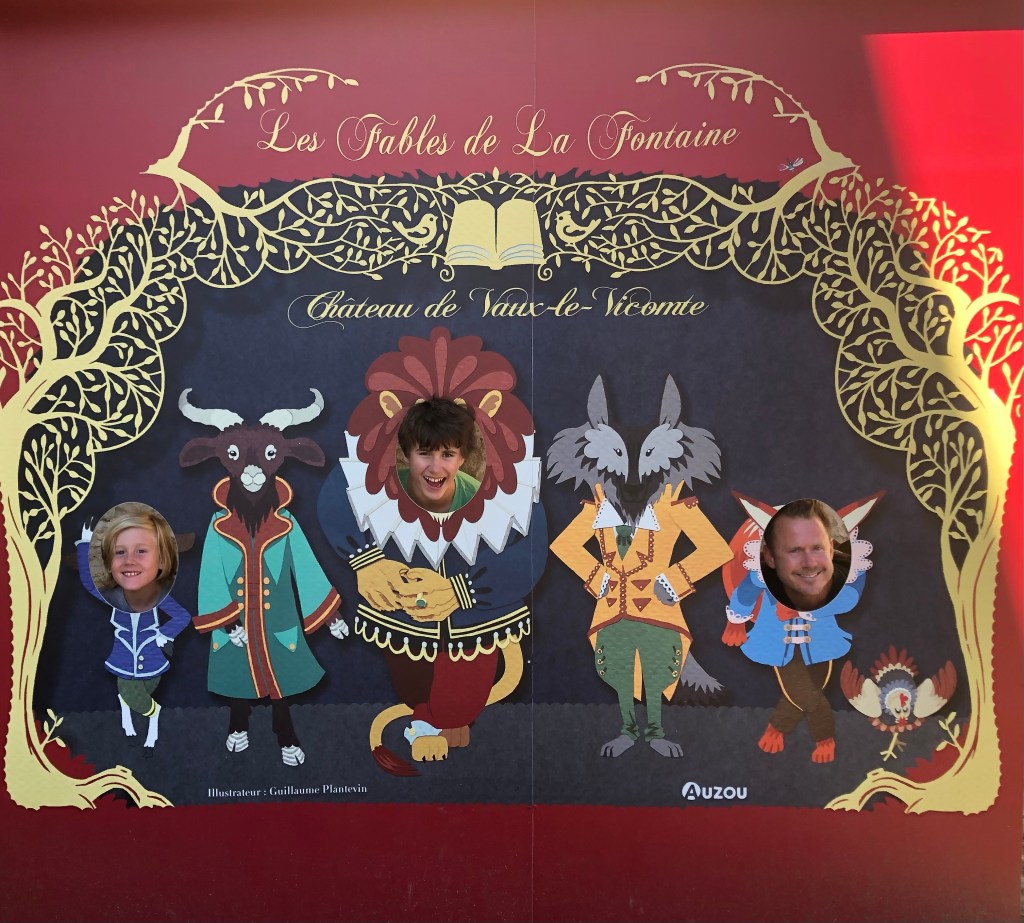
Fouquet spared no expense for the August soirée, held in honor of the King. “Servants kept up a steady flow of pheasants, ortolans, patés, bisques, pastries, all prepared under the supervision of Vatel, greatest maitre d’hotel of the age … There was a play specially written for the occasion by Molière, with Molière himself to act in it.” But rather than impress the young King, the evening only reinforced the information that his private secretary Jean Baptiste Colbert had been whispering in his ear — Fouquet was stealing from the state coffers to fund his lavish lifestyle.
Three weeks later, d’Artagnan, lieutenant of the musketeers, arrested Fouquet and took him to prison. Although the judge sentenced Fouquet to be banished from France, the King, for the first time, used his pardoning power instead to sentence Fouquet to life in prison. No one knows quite why the young Louis hated Fouquet so much. Legend has it that Fouquet held a secret that Louis did not want shared, something that had to do with the Man in the Iron Mask.
After Fouquet was arrested, Vaux was all but shuttered. We do know that Louis carted away orange trees and statues that are now at Versailles.
“[Louis] had long had the idea of enlarging the hunting lodge his father had built in the little village of Versailles a few miles to the west of Paris. Now he swept up all of Fouquet’s establishment – Le Vau and Le Brun and Le Nôtre, plus a whole troop of craftsmen and skilled laborers – and put them to work creating a great palace which would be the principal monument of his reign … For all their talent, however, and all the resources a king of France could put at their disposal, the builders of the new palace could never quite equal the original. For lovers of Vaux, Versailles has never been more than a botched imitation. It is too big and too self-conscious, too formal, too grandiose.”
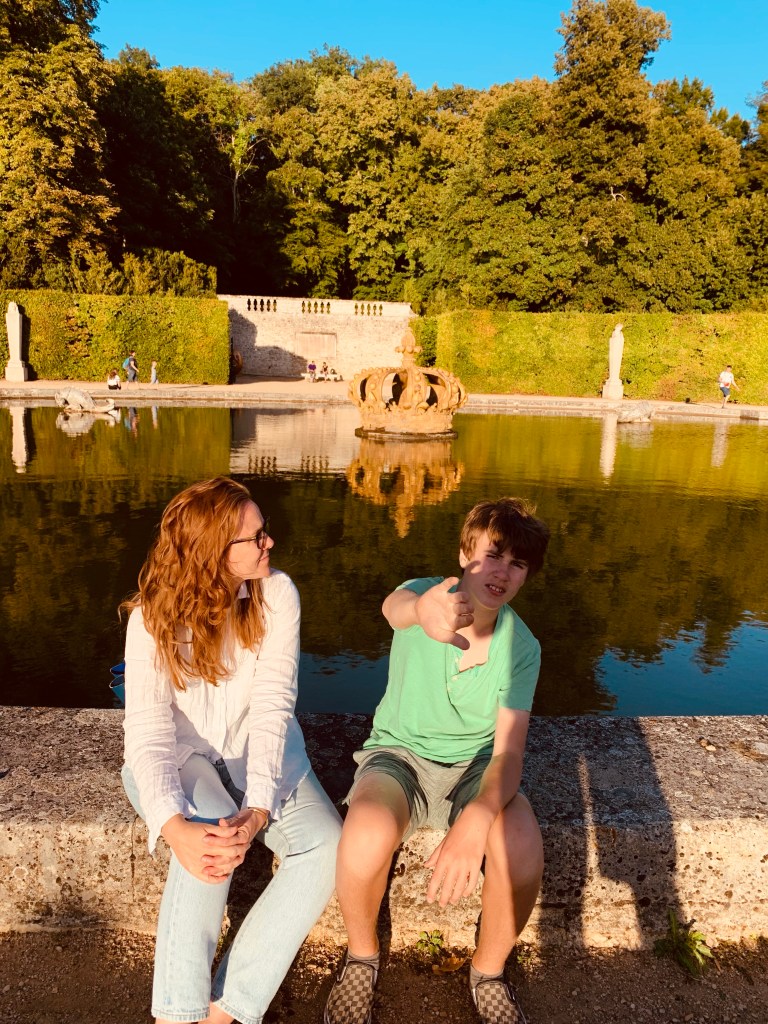

On the weekends during the summer, they light 2000 candles and place them all over the grounds at Vaux. You could imagine the excitement, being there at dusk, almost 361 years after La Fête de Vaux.
Voltaire would later write, summarizing the evening succinctly: “Le 17 août, à 6 heures du soir, Fouquet était le roi de France; à deux heures du matin, il n’était plus rien. (On August 17, at six in the evening Fouquet was King of France, at two in the morning, he was nobody.)”

 the-summer-of-22.com
Wow
Great story and a grand visit. Love the pics, glad to see Beth in them. Where to next?
LikeLike
Loving your blog, incredible adventure & photos! Living vicariously through you. Enjoy every minute of your priceless travels! XO
LikeLiked by 1 person